This is your comprehensive Real Estate Buyer’s Guide! As your
dedicated Realtor, I’m here to walk alongside you through the
exciting journey of finding a place you can truly call home. I’ve
always loved connecting with people, building relationships, and
making big life transitions feel a little lighter and a lot more
enjoyable. I believe everyone deserves a home where they feel
safe, grounded, and inspired and it’s my mission to help you find
the one that feels just right. Whether this is your first home or
your next chapter, I’m here to make the process smooth,
supportive, and genuinely exciting. Together, we’ll find the home
that matches your goals, your lifestyle, and your vision for the
future.

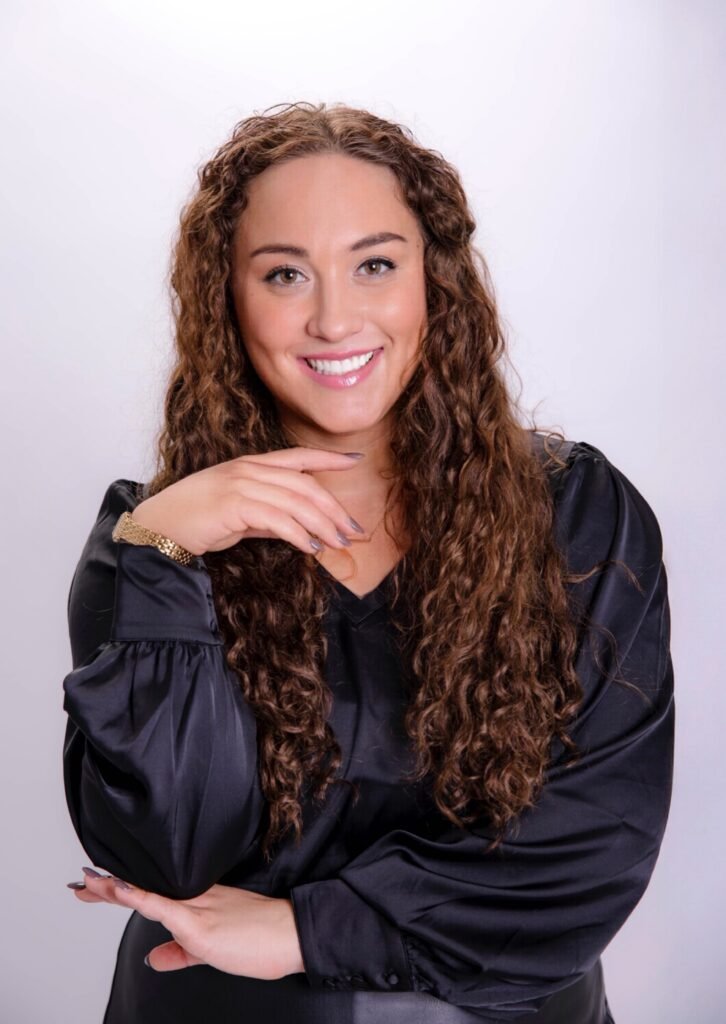

I graduated from Rutgers University with degrees inboth Finance and Psychology. I bring the perfect blendof business savvy and people centered insight to everyclient relationship. After gaining valuable experience inthe financial advising world, I ultimately chose to pursuereal estate full-time — the career I always knew I wasmeant for. I bring together strong market knowledge,skilled negotiation, and genuine relationship-building tomake your real estate journey not only successful, buttruly enjoyable from beginning to end.
I believe the right guidance can transform buying orselling a home into a confident, enjoyable journey. Let’sunlock the door to your next chapter together!
Begin your home-buying journey by taking a comprehensive look at your current financial situation. This involves tallying up your income, savings, existing debts, and regular expenses. A key guideline is to ensure your future monthly housing payment (including mortgage, property taxes, and insurance) doesn’t exceed 30% of your gross monthly income. Remember, it’s also important to factor in potential costs for maintenance and utilities to avoid any surprises. Don’t forget to save up for a down payment as well! Generally between 10-20% of the home purchase!

Signing an exclusive agreement with your Realtor® is an important first step in your home-buying journey. This agreement means you’re choosing to work with one dedicated professional who will fully represent you from start to finish. It creates a committed partnership where your agent provides loyal advocacy, priority support, and personalized guidance every step of the way. In return, you agree to work exclusively with that agent during your search. By making this partnership official, you gain clarity, protection, and a trusted expert who is genuinely invested in helping you find the perfect home.

Finding the right home sparks a mix of excitement and anticipation. It’s time to make it yours. Crafting a competitive offer is where your Realtor®’s expertise becomes invaluable. They will guide you through the process, ensuring your offer is attractive yet fair, considering the market conditions and the specifics of the property.
Before finalizing the purchase, two crucial steps ensure you’re making a sound investment: the home inspection and appraisal.
A thorough home inspection conducted by a professional is essential to uncover any hidden issues with the property. From the foundation to the roof, plumbing to electrical systems, this step can save you from future surprises and expenses. Depending on the findings, you may renegotiate the deal, request repairs, or decide to walk away.
Your lender will require an appraisal to determine the home’s market value, ensuring the loan amount does not exceed the property’s worth. This process protects both you and the lender by confirming the investment is sound.
These steps are about safeguarding your investment, and providing peace of mind as you proceed with the purchase.
Work with your lender to ensure all financing is in order,
understanding the terms and conditions of your mortgage.
Be prepared for closing costs, which typically range from 2% to 5%
of the home’s purchase price. Your Realtor® and lender will
provide a closing disclosure outlining these costs in advance.

Action: Sum up all your monthly income sources before taxes. This includes wages,
salaries, bonuses, and any other consistent income streams.
Components to Include:
Action:
Add these to find your total allowable monthly housing expenses.
Components to Include:
Begin by assessing your financial situation, getting pre-approved for a mortgage, and finding a reputable real estate agent who understands your needs and the local market.
Pre-qualification is an initial assessment of how much you can afford, based on self-reported financial information. Pre-approval is more comprehensive, involving a credit check and financial review by a lender to determine how much they’re willing to lend you.
The standard down payment is 20% of the home’s purchase price, but many loan programs allow for lower down payments. However, a smaller down payment may require private mortgage insurance (PMI).
Closing costs are fees associated with finalizing a mortgage and can include loan origination fees, appraisal fees, title searches, title insurance, taxes, and more. Expect to pay between 2% and 5% of the home’s purchase price in closing costs.
Yes, a home inspection is crucial. It can reveal hidden problems with the home’s structure, systems, and components, potentially saving you from costly repairs down the line.
Absolutely. Your real estate agent can help you determine a fair offer based on comparable homes in the area and any needed repairs or upgrades. They’ll also negotiate on your behalf.
The timeline can vary significantly, but on average, it takes around 30 to 45 days from when your offer is accepted to when you close on the home. This timeline can be longer or shorter depending on the specifics of your deal and your financial situation.
The final walk-through is your last chance to inspect the property before closing. Check for any unresolved repair issues, ensure agreed- upon fixtures or appliances are in place, and confirm that the home’s condition hasn’t deteriorated since your offer was accepted.
On closing day, you’ll sign a lot of legal documents to finalize your mortgage and transfer the property’s ownership to you. You’ll also pay your down payment and closing costs. Once everything is signed and paid, you’ll receive the keys to your new home.
Buying a home with bad credit is challenging but not impossible. You might face higher interest rates and may need a larger down payment. Some government-backed loans, like FHA loans, are more lenient with credit scores.
A mortgage with an interest rate that changes over time based on an index.
The process of spreading out a loan into a series of fixed payments over time, covering both principal and interest.
An expert estimate of the value of a property.
The final step in the property purchase process where the title is transferred to the buyer.
Fees and expenses paid by the buyer and seller during the closing.
A detailed accounting of all transactions and fees in a real estate sale, provided at the closing.
A condition specified in a purchase contract that must be met for the transaction to proceed.
A home loan not insured by the government.
A percentage showing how much of a person’s income is used to pay for debt.
The portion of the home’s price paid upfront by the buyer.
A deposit made by the buyer to the seller as a show of good faith when the purchase agreement is signed.
The market value of a homeowner’s unencumbered interest in their property.
A loan based on the current equity in a home, allowing homeowners to borrow against it.
A financial arrangement where a third party holds funds or documents until certain conditions are met.
A mortgage with a constant interest rate throughout the life of the loan.
The legal process by which a lender takes control of a property after the homeowner fails to make mortgage payments.
The current market value of a home minus any outstanding mortgage balance.
An examination of a property’s condition, usually conducted by a qualified inspector.
Insurance covering damage to a homeowner’s property and liability for injuries on the property.
A legal claim against a property that must be paid off when the property is sold.
A ratio comparing the amount of the mortgage loan to the value of the property.
The amount for which something can be sold on a given market.
A loan used to purchase a home, where the property serves as collateral.
An individual or company that arranges mortgages between borrowers and lenders.
A lender’s conditional agreement to lend a specific amount before a home is chosen.
A proposal to buy a property at a specified price and terms.
Insurance that protects the lender if the borrower defaults on a conventional loan.
Taxes paid by a property owner for municipal and educational services.
A licensed professional who represents buyers or sellers in real estate transactions.
Obtaining a new mortgage to replace the original for better interest terms and rate.
A market condition with more buyers than homes for sale, leading to higher prices.
A sale of real estate where the net proceeds fall short of the debts against the property.
The legal right to own, possess, use, control, and dispose of property.
Insurance that protects against loss due to disputes over property ownership.
A check of public records to ensure the seller is the legal owner of the property and there are no liens or claims against it.
Occurs when a homeowner owes more on their mortgage than the home is worth.
Regulations governing the use of land and the types of structures that can be built on it.